Treble Clef Scribble Stitch: A Designer’s Practical Review
As an embroidery designer who regularly sources digital files for both personal projects and client work, I approach every new design with a critical eye. It’s not just about whether a design looks beautiful on screen; it’s about how it translates onto fabric, how it holds up under use, and whether it adds genuine value to the finished product. When I came across the Treble Clef Scribble Stitch on Creative Fabrica, I was immediately intrigued. Here’s my honest evaluation after considering it for real-world application.
First Impressions: Artistic Flair Meets Machine-Ready Detail
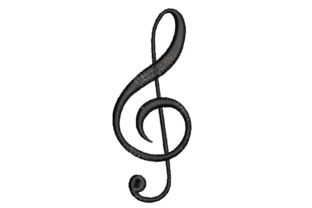
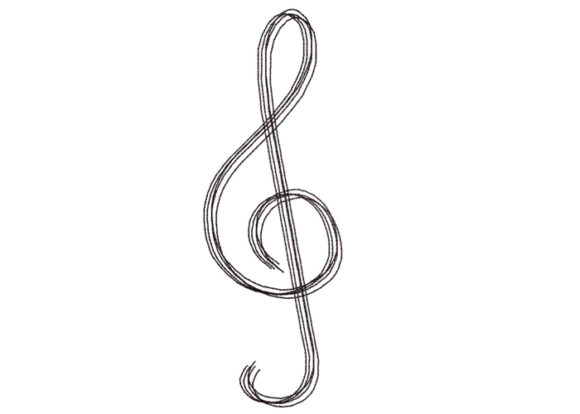
The Treble Clef Scribble Stitch design presents a delightful blend of musical symbolism and playful artistry. The “scribble” element gives it a hand-drawn, organic feel, which is a significant departure from rigid, geometric music designs. This visual mood suggests it’s perfect for projects that require a touch of personality—think gifts for music teachers, personalized items for musicians, or decor for a creative space. Its decorative appeal is strong, but as a professional, my first question was always: will those scribble details stitch out cleanly?
The offering of five sizes is a standout practical feature. This range inherently suggests versatility, allowing the design to scale from a delicate accent on a cap or baby blanket to a bold statement piece on a tote bag or sweatshirt. Having a color chart included is also a major plus, providing a starting point for thread selection and helping visualize the final look before any thread is even loaded.
Real Project Fit: From Tote Bags to Boutique Merchandise
In considering where this machine embroidery design fits, several applications come to mind immediately. For custom apparel like sweatshirts or tees, the design offers a modern, artsy alternative to standard logos. For tote bags and aprons, its aesthetic can elevate a simple utilitarian item into a stylish, handmade product. Its thematic link to music makes it a natural candidate for nursery decor in a music-themed room, pillow covers for a cozy studio, or kitchen towels in a home where music is always playing.
For small business owners and Etsy sellers, this design has potential for creating cohesive product lines. You could envision a series featuring the Treble Clef Scribble Stitch on mugs (via printable mockups), patches, and embroidered apparel, all targeting music enthusiasts. The design’s inherent giftability is high—it feels personal and crafted, not mass-produced.
Navigating the Practicalities of Stitching
Any design with a name like “scribble” implies detail, and detail requires careful execution. The included multiple embroidery file formats are crucial here, ensuring compatibility across different machines, which is a must for commercial embroidery or diverse studio setups.
For successful application, several practical notes are paramount:
- Always test on scrap fabric first, especially a fabric matching your final project’s weight and texture.
- Pay close attention to thread color contrast against your background fabric, using the provided chart as a guide but adjusting for your specific material.
- The stitch density in the scribble areas will be key. On dense fabrics like canvas for tote bags, it should anchor well. On stretchy fabrics or curved cap surfaces, proper stabilizer choice is non-negotiable to prevent distortion.
- For items like baby blankets or kitchen towels that will undergo frequent washing, a robust stitch structure is essential. Reviewing small details after a test stitch-out will reveal if any areas are too fine to withstand wear.
Affecting Product Value and Customer Perception
Using a well-executed, unique design like the Treble Clef Scribble Stitch directly impacts your finished product’s perceived value. For handmade shop owners, it moves an item from “generic embroidered object” to “thoughtfully designed piece.” This builds buyer trust and enhances visual appeal in product photography, which is vital for Etsy listings and craft fair displays.
The design’s artistic quality can improve customer engagement—it tells a story. A client receiving a personalized gift with this design sees more than just a treble clef; they see a crafted representation of their passion. For brand consistency, if music is part of your shop’s niche, this design can become a versatile asset across multiple products.
Essential Pre-Production Checklist
Before committing this design to a client order or bulk production, a disciplined approach is necessary. My workflow always includes:
- Confirming the exact hoop size required for my chosen design size from the five available.
- Creating light and dark fabric mockups digitally to preview final contrast.
- Inspecting the stitched test piece meticulously, particularly the smallest scribble layered details, to ensure clarity.
- Reviewing stitch density on my test piece to gauge if adjustments are needed for my specific fabric.
- Most importantly, confirming file details and licensing on the Creative Fabrica product page before selling any finished items. Understanding the commercial use terms is a fundamental responsibility.
Final Thoughts: Is It Worth Downloading?
The Treble Clef Scribble Stitch presents a compelling proposition for embroidery designers and creative entrepreneurs. Its artistic mood, practical offering of five sizes and a color chart, and format flexibility address many pre-purchase concerns. Its potential application across a wide range of products—from commercial embroidery patches to heartfelt handmade gifts—makes it a versatile addition to a design library.
The crucial factor, as with any digital embroidery file, lies in its real-world performance. Its value is fully realized only after a thorough test stitch, careful material pairing, and adherence to best practices like using proper stabilizer. For those in the music niche or looking for a design with character, the Treble Clef Scribble Stitch is certainly worth a closer look. Its success in your shop or projects will hinge not on the digital preview, but on the thoughtful execution of that preview onto your chosen fabric. Always start with a test on scrap, and let the stitches tell you the final story.