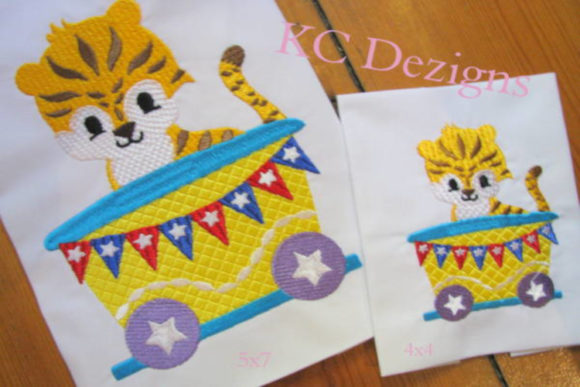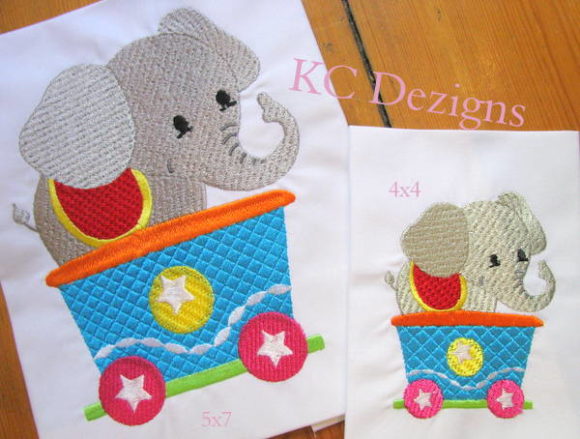
Elephant Sitting in Train: A Craft Fair Product Review
As an embroidery designer preparing for a weekend craft fair, my first task is to evaluate a new design not just for its artistic merit, but for its practical selling power. When I look at the Elephant Sitting in Train embroidery file, my immediate impression is one of cute and playful. The title suggests a charming, storybook-like scene, which is a strong starting point for handmade products aimed at a Boys category or, more broadly, for gift-givers seeking a whimsical, lighthearted design.
First Impressions & Booth Appeal
The concept is inherently attention-grabbing. At a bustling market, customers scan tables quickly. A cute elephant in a train isn't just a decorative motif; it's a tiny narrative. This gives it an edge over more generic patterns. On a booth sample, like a pillow cover or a tote bag hung on display, it creates a focal point that invites a closer look and often sparks a smile. The mood is decidedly soft and decorative, leaning into a premium, handmade feel rather than a minimalist or rustic one. This emotional hook is crucial for converting glances into purchases.
Product Performance: Where This Design Shines
Not every embroidery design translates equally well across all products. For Elephant Sitting in Train, its success hinges on application.
Strong Candidates for High Sales
- Tote Bags & Market Bags: As a large focal design on the front panel, it becomes the bag’s personality. The playful theme works perfectly for everyday carry.
- Pillow Covers: This is a premier application. The design feels complete and decorative, ideal for a child’s room or a cozy, fun-loving living space. It elevates a simple pillow into a giftable handmade item.
- Aprons & Kitchen Towels: While the category suggests Boys, this design on a tea towel or apron actually crosses into family-friendly, whimsical kitchenware. It’s cute without being overly gendered.
- Embroidered Patches: A fantastic, lower-cost item. Patches are popular, and this unique design stands out on a patch rack. It can be applied to jackets, backpacks, or hats, offering versatility.
Considerations for Other Products
- Caps: Embroidering on curved cap surfaces requires careful testing. Small, intricate details in the train or elephant might lose clarity on the textured, curved fabric. It may need simplification or a larger hoop size.
- Small Pouches & Accents: If scaled down for a small pouch, the design's charm must remain intact. Tiny lettering or very dense stitch areas could become muddy. It's likely better as a medium-sized centerpiece.
Practical Production & Selling Points
Turning a digital embroidery file into a profitable craft fair product requires a business-minded approach.
Production Readiness
The description mentions it's perfect for a quilt block or any project, which suggests versatility. However, as a professional, I never skip the practical steps:
- Test on Scrap Fabric First: I run the Elephant Sitting in Train design on the actual fabrics I plan to use: cotton for totes, linen for towels, fleece for patches. This reveals how stitch density interacts with fabric texture.
- Check Thread Contrast: On dark fabrics, the chosen thread colors must pop. This design likely needs lighter, bright threads to maintain its cute appeal.
- Inspect Stitch Density & Detail: Are there extremely dense areas that could pucker thinner fabrics like tea towels? Does the train have tiny details that vanish at smaller sizes? This affects my choice of stabilizer.
- Create a Real Mockup: Before batch production, I make at least one finished product—a real tote bag or pillow. This shows me how it looks in person, not just on a screen, and is vital for booth display strength.
- Confirm Commercial Licensing: The product description doesn't specify license terms. I must verify the embroidery file is cleared for commercial use before selling any finished products at my fair or on my Etsy shop.
Selling at the Fair & Online
This design is relatively easy to understand at a glance, which aids both in-person and online sales. For my Etsy listings and printable mockups, it photographs well as a clear, central image. Its repeatability for batch production is good if the stitch count isn't excessively high, allowing me to produce several totes or pillows efficiently. The handmade quality is enhanced by the design's unique character, making items feel special rather than mass-produced.
Careful-Use Notes for Consistent Quality
To maintain brand consistency and product value, here are specific considerations for Elephant Sitting in Train:
- Small Sizes: If adapting for a small accent (like on a cap), test extensively. Small lettering or intricate train wheels may lose definition.
- Fabric Choice: Textured towels or thick fabrics like canvas can handle more density but may require different stabilizer settings.
- Color Palette: Compare the design's implied colors against various fabric colors. It likely shines best on light or neutral backgrounds.
- Hoop Size: While not specified, the design's complexity suggests a medium hoop might be ideal. I would confirm the recommended size from the file details to ensure clean stitching.
Final Evaluation for the Entrepreneur
For craft fair sellers, embroidery business owners, and boutique makers, Elephant Sitting in Train represents a solid opportunity. Its cute, narrative-driven visual drives customer engagement and adds perceived value to simple products. It’s best deployed as a standout feature on larger items like pillow covers and tote bags, where its charm is fully visible. Production is manageable with proper testing, and it offers a cohesive look for a booth display themed around playful, decorative gifts.
My advice is to leverage its strength as a focal point. Make it the hero of your pillow or bag samples at the fair. For digital sellers, ensure your listings show it beautifully embroidered on a real product mockup, not just a digital preview. By focusing on quality execution and smart product pairing, this cute embroidery design can become a reliable seller in your handmade market lineup.