Octopus Scribble Stitch: A Designer's Review for Craft Fair Products
As an embroidery designer preparing for a weekend craft fair, my first task is to evaluate which designs will translate into standout, sellable products. When reviewing the Octopus Scribble Stitch machine embroidery design for my handmade market booth, my immediate impression is one of playful sophistication. The word "scribble" suggests a free-form, artistic quality, while "octopus" anchors it in a specific, charming marine theme. This combination feels modern, decorative, and inherently giftable—a perfect mix for attracting eyes across a crowded marketplace.
Where This Design Stands Out on the Sales Table
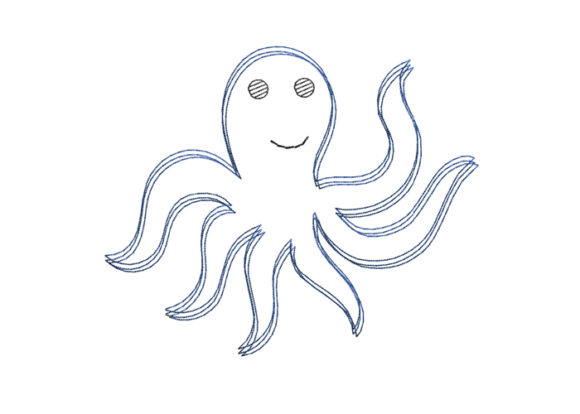
Visual appeal at a craft fair is about quick comprehension and emotional pull. A customer walking past your booth should understand and admire a design within seconds. The Octopus Scribble Stitch, with its presumably flowing tentacles and scribble-style lines, likely offers a bold yet approachable graphic. It’s not overly cute or rustic; it leans into a contemporary, soft aesthetic that can elevate simple products.
For my display, I envision this design shining on textured natural fabrics. Think of a crisp, off-white tea towel with the octopus embroidered in a contrasting navy or slate blue. The scribble effect would pop against the linen’s weave. On a canvas tote bag, it becomes a statement piece—not just a bag, but a carry-along art object. For a boutique maker targeting a higher-value clientele, a minimalist pillow cover with this single, well-placed embroidery could command a premium price. The key is letting the design’s character drive the product choice.
Practical Production: From Digital File to Finished Product
The product description notes it comes in five sizes and includes a color chart. This is crucial for a small shop owner. Multiple sizes mean flexibility: a small version for a cap or a fabric pouch, and a large version for a market bag or apron as a focal point. Before any batch production, here are my standard designer checks:
- Test on Scrap Fabric: Always run the design on the exact fabric type you plan to sell—be it cotton canvas for totes, textured linen for towels, or curved baseball cap material. This reveals how stitch density interacts with the fabric.
- Check Thread Contrast: Use the included color chart, but also experiment. An octopus design on dark fabric may need brighter or lighter threads to maintain clarity.
- Review Spacing & Density: Scribble-style lines might involve dense stitch areas. On towels or lightweight aprons, proper stabilizer is non-negotiable to prevent puckering.
- Confirm Hoop Size: Match the design’s largest available size to your product’s maximum hoop capacity. Don’t assume; verify the embroidery file requirements.
- Create a Real Mockup: Before producing fifty tote bags, make one perfect sample. This is your booth sample and your photography model. It tells you exactly how the handmade product will look and feel.
Having multiple embroidery file formats is a major advantage for commercial embroidery. It ensures compatibility across different machines, making batch production smoother. However, I always advise fellow Etsy sellers and digital sellers to confirm the specific formats and any commercial licensing terms before selling finished products. Never assume.
Maximizing Customer Attention & Product Value
At a fair, products compete for attention. The Octopus Scribble Stitch has a narrative quality—it’s a specific creature with a whimsical execution. This can spark conversation. A customer might say, “I love octopuses!” or “The scribble style is so unique.” That engagement is a direct sales catalyst.
To leverage this, I would position embroidered items made with this design at different price points and purposes:
- High-Impulse, Lower-Price: Small embroidered patches or simple tea towels. These are easy gifts.
- Mid-Range, Functional: Tote bags, fabric pouches, and aprons. The design adds value to a utilitarian object.
- Higher-Value, Decorative: Pillow covers or framed hoop art. Here, the embroidery is the primary art.
Photography for online listings (like Etsy) is equally critical. The scribble texture should photograph well, creating visible depth and a handmade quality. A clean, close-up shot of the stitch work can highlight the craftsmanship, appealing to buyers looking for authentic small shop products.
Careful-Use Notes for Consistent Quality
While the design sounds versatile, practical embroidery experience dictates caution in certain applications:
- Tiny Details & Small Sizes: If using the smallest of the five sizes for a cap or tiny pouch, ensure the scribble lines don’t become so condensed they lose definition. Test it.
- Thick or Textured Fabrics: Kitchen towels and some bag materials are textured. You may need to adjust stabilizer or even choose a slightly larger design size for clarity.
- Dark Fabrics: As mentioned, thread choice is paramount. The color chart is a start, but you might need to shift a hue lighter for optimal contrast on dark denim or black canvas.
- Batch Production Rhythm: Does the design have a consistent stitch time that allows for efficient batch work? A complex, dense design might be slower, affecting how many units you can produce for a fair. Run a timing test.
These considerations ensure every product bearing the Octopus Scribble Stitch meets a high standard, building your brand’s consistency. A customer buying a tea towel and later a tote bag should recognize the same quality and style.
Final Judgment for the Craft Fair Booth
From a professional embroidery designer’s perspective, the Octopus Scribble Stitch presents a strong opportunity for craft fair sellers and handmade shop owners. Its inherent style is contemporary and engaging, suitable for a range of products that appeal to different buyer motivations—from functional to decorative.
The inclusion of five sizes and a color chart provides the foundational tools for successful adaptation. My strongest recommendation would be to start with a standout, medium-to-large scale application on a popular item like a tote bag or apron for your booth’s focal display. Pair it with smaller accent items like towels or patches to offer price-point variety. Always, always make that first physical sample. It reveals everything: how the thread colors truly look, how the fabric reacts, and ultimately, how a customer will feel when they see it on your table. That final, tangible product is what turns a great machine embroidery design into a winning craft fair product.