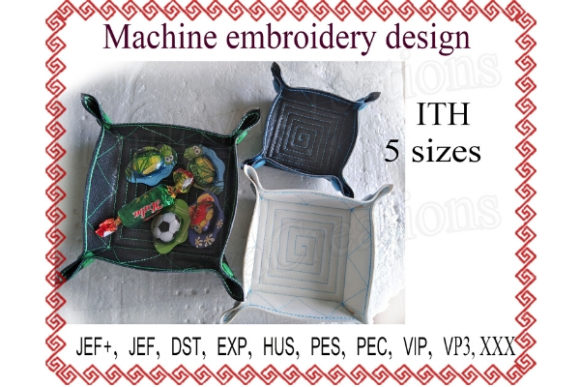
Snap Tray: An Embroidery Designer's Craft Fair Product Review
First Impression: A Bold and Functional Kitchen Statement
The title Snap Tray instantly suggests a kitchen-centric, utilitarian charm. This isn't a delicate floral; it's a confident, graphic statement. In my hands, evaluating it for a weekend market, it feels bold, modern, and slightly rustic. It communicates function and a bit of farmhouse aesthetic without being overly thematic. For customers browsing a booth, it will read as clear, purposeful, and premium—a design with a job to do. The quality implied by "high-quality embroidery" means it's likely clean, with good stitch paths, which is critical for a professional handmade product.
Where Snap Tray Stands Out on the Sales Table
Imagine your booth: tote bags, aprons, tea towels, caps, and pillow covers. Snap Tray would naturally command attention on items tied to kitchen and pantry organization. Its strong visual identity makes it perfect for focal-point designs, not just small accents.
Top Product Matches for Maximum Sales
- Kitchen Towels & Aprons: This is its home turf. Embroidered on a high-quality tea towel or the pocket of a crisp apron, it becomes a functional art piece. Customers looking for a gift or a kitchen upgrade will notice it immediately.
- Tote Bags & Market Bags: Applied to a canvas tote bag, it transforms a simple carrier into a stylish, statement-making accessory for grocery runs or market trips. The boldness ensures it photographs well for Etsy seller listings.
- Pillow Covers: For a farmhouse or modern rustic decor pillow, it adds a graphic, textural element. The design's likely density will give it a lovely, tactile raised feel on fabric.
- Embroidered Patches: As a standalone patch, it could be incredibly popular. It's a clear, recognizable icon that can be applied to jackets, bags, or hats by the end customer, adding versatility to your craft fair product lineup.
Secondary & Giftable Applications
Consider smaller items like fabric pouches for storing kitchen tools or simple caps. On a cap, the curved surface requires careful planning, but the design's bold lines could work if sized appropriately. For small pouches, it might need to be scaled down, which we'll discuss in the careful-use notes.
Practical Production: What Makes This Design Sellable
Turning a machine embroidery design into a profitable, batch-produced item requires a practical eye. Here’s my judgment on Snap Tray's production and selling points.
Batch Production & Customer Appeal
The design appears straightforward—likely a clear tray outline with perhaps some detailing. This is excellent for repeatable batch production. You can efficiently run a series of tea towels or tote bags without constant thread color changes or overly long stitch times. At the fair, a customer can instantly understand it; there's no mystery. This clarity boosts buyer engagement—they know what they're getting, and the perceived handmade quality is high when stitches are clean.
Photography & Online Sales
Graphic, bold designs like this are winners for online shops. They look sharp in printable mockups and even better on real product photos. The contrast will pop, making your Etsy listings or small shop website visuals strong. This directly affects product value; a well-photographed, crisp embroidery looks professional and worth a higher price point.
Careful-Use Notes & Designer Advice
Even with a great embroidery file, success depends on execution. Here are critical considerations before you stitch.
- Scale & Clarity: If the design has any tiny details or small lettering (like "snap" text), test it at a smaller size before committing. On a small pouch, these elements might lose clarity or become too dense.
- Fabric & Texture: Always test on scrap fabric first. For kitchen towels, which are often textured, use the correct stabilizer to ensure the design doesn't sink into the loops. For dark fabrics, ensure your thread color palette provides strong contrast.
- Stitch Density & Hoop Size: The description notes high quality, which often means well-optimized stitch density. However, always inspect for overly dense areas that might pucker on lightweight fabrics like pillow covers. Confirm the required hoop size from the included files to match your products.
- Curved Surfaces & Thick Fabrics: For caps or thick tote bag fabric, adjustments might be needed. A design with large filled areas might require different stabilization techniques.
The Embroidery Designer's Final Checklist
Before you produce a single item for sale, follow this real-world protocol. It protects your time, materials, and brand reputation.
- Create a Real Mockup: Don't just rely on the digital preview. Stitch Snap Tray on the actual fabric you'll use—a tea towel, canvas, or denim. This reveals true thread coverage, color interaction, and any hoop challenges.
- Check Thread Contrast: View your mockup in both bright booth lighting and softer indoor light. Does it still pop? Adjust thread colors if necessary.
- Review Spacing & Alignment: If you're adding the design to a product with existing features (like an apron pocket), ensure the placement looks balanced and intentional.
- Compare Fabric Colors: Stitch the design on a few different background colors you plan to sell. A design can feel entirely different on cream versus slate gray linen.
- Confirm Commercial Licensing: The description mentions it comes with multiple embroidery file formats. Crucially, you must verify that your purchase includes a license for commercial embroidery and selling finished products. Never assume.
Turning Snap Tray into Booth Success
In summary, Snap Tray is a designer-friendly asset with strong commercial potential. Its bold, functional aesthetic gives it instant appeal in the handmade kitchen and home space. By focusing it on primary products like tea towel embroidery and tote bag designs, you create a cohesive, attractive section in your booth. Its graphic nature strengthens your brand consistency and makes your entire display look professional. The practical production points are manageable, leading to efficient batch work. Remember, the final step is always in the hands of the maker: use the right materials, test thoroughly, and ensure your legal groundwork is covered. Then, watch as this clear, confident design helps customers snap to attention at your next craft fair.