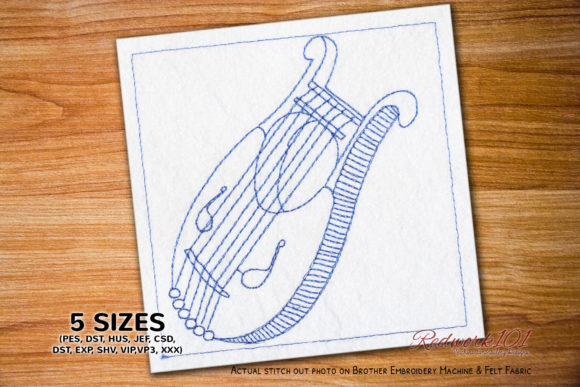
A Classic Redwork Embroidery Design for Boutique Apparel
When a boutique client approached me with a request for a premium, limited-run sweatshirt collection targeting a younger demographic, my first thought was to look for designs that felt timeless, playful, and elegantly executed. The Classics for Kids Redwork embroidery design file immediately stood out as a strong contender. In this review, I’ll break down my professional assessment of this design from the perspective of an embroidery designer preparing for a real small shop product launch.
First Impression: Timeless Charm with Modern Potential
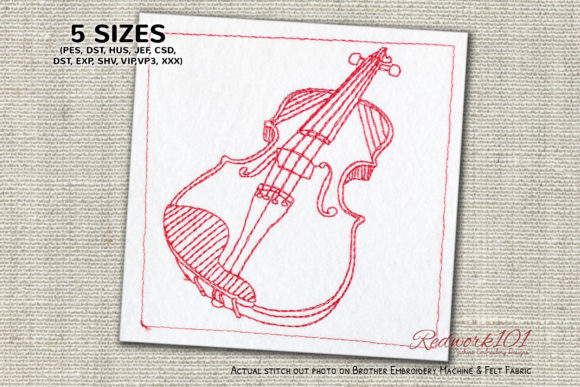
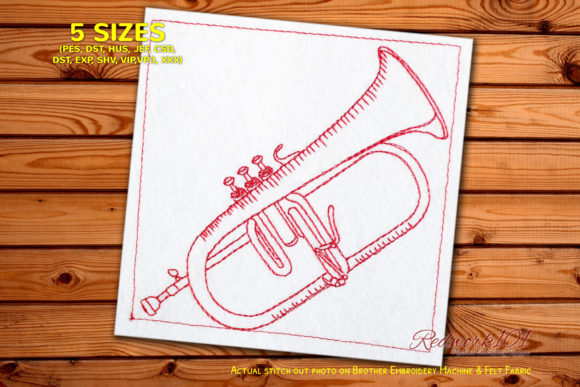
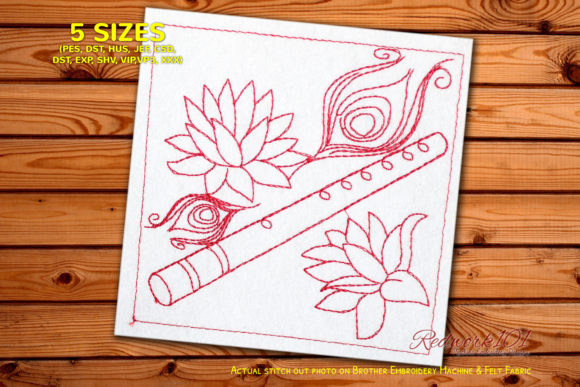
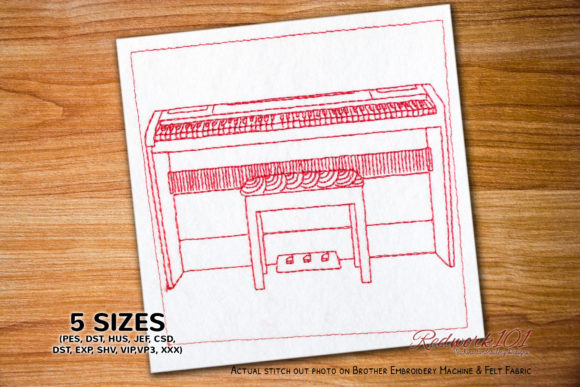
The title Classics for Kids Redwork suggests a foundation of traditional redwork embroidery—a technique historically known for its single-color, outline-based storytelling. This immediately sets a mood of nostalgia and warmth. The design’s layout, described with an optional box stitch frame, hints at a structured yet potentially flexible presentation. My first thought was how this could translate onto fabric: a central, illustrative motif, possibly with a decorative border that can be adapted. This level of detail promises a stitching personality that is clean, graphic, and crisp, rather than overly dense or filled. For a finished embroidered product, this means a design that feels decorative yet minimal, allowing the fabric texture and garment style to share the spotlight.
Application on Boutique Sweatshirts & Hoodies
For our planned sweatshirt drop, the versatility of Classics for Kids Redwork is key. On a neutral sweatshirt—think oatmeal, cream, or light grey—the classic redwork color scheme (presumably red thread, though thread colors should be verified in the actual embroidery file) would pop with a gentle, rustic charm. It feels premium because of its clean execution, not its complexity. On dark fabric, like a charcoal or navy hoodie, the contrast would be bold and eye-catching, elevating a simple garment instantly.
Considering placement is crucial for commercial embroidery. For an oversized hoodie, this design would be perfect as a chest embroidery, left or center, providing a focal point without overwhelming the garment’s cozy vibe. It could also work beautifully as a sleeve accent for a more subtle, branded look. As a larger back design on a crewneck sweatshirt, it would command attention, ideal for lifestyle product photography that highlights the handmade product aesthetic. For Etsy sellers and small shop owners, this adaptability means one digital embroidery file can generate multiple products: premium sweatshirts, kids’ apparel, or seasonal cozy items, all while maintaining a cohesive brand identity.
Practical Design Concerns for Production
Moving from concept to production requires addressing several technical factors. The optional box stitch mentioned in the description is a significant note. For a more minimalist, modern feel on our boutique merchandise, skipping that outer color could streamline the design, making it feel more integrated into the garment. This choice directly impacts the thread color contrast and final appearance.
Stitch density is a silent quality marker. A redwork-style design typically uses outline and detail stitches rather than heavy fill, which is excellent for sweatshirt embroidery. Thicker fabrics like hoodies can struggle with dense fills, causing puckering. A lighter density design promises better fabric integrity and washing durability. However, the exact stitch count and density should be confirmed in the file before production.
Hoop size and stabilizer choice are next. The design’s scale will determine the hoop needed; a size too small for the detail level could compromise small-size readability. For fuzzy or stretchy sweatshirt fabric, a sturdy cutaway stabilizer is often my recommendation to ensure the design remains crisp through wear and washes, a critical point for customer trust in custom apparel. Does Classics for Kids Redwork feel strong enough for commercial use? Its described structure suggests yes, provided the underlying file has clean stitch paths and appropriate underlay.
Elevating Brand Value & Customer Perception
Implementing a well-executed embroidery design like this into a collection does more than decorate a garment. It affects product value directly. A clean, recognizable design like Classics for Kids Redwork conveys a sense of care and craftsmanship, supporting a higher price point for a boutique brand. It builds visual recognition—customers remember a distinct, lovely motif.
In Etsy listings and printable mockups, this design would present as intentional and professional. It avoids the clutter of overly busy designs, allowing the product photography to focus on the quality of the sweatshirt itself. This enhances customer engagement; the design is appealing but not intimidating, feeling both cute and sophisticated. For creative entrepreneurs, it serves as a versatile design asset that can anchor a line, suggesting a brand that values playful classics with a modern twist. The connection to the Music category, as indicated, could further niche the product, appealing to parents, educators, or music enthusiasts, adding a layer of storytelling to the apparel branding.
Final Notes for the Production Checklist
Before hooping the first sweatshirt, my designer checklist for using Classics for Kids Redwork would include: verifying the actual thread color schemes (especially if the optional box is omitted), testing the stitch density on a scrap of similar fabric, confirming the ideal hoop size for the desired placement, and selecting the correct stabilizer for the sweatshirt’s fabric thickness. Remember, the description notes that the box color is often different and can be skipped—this is a creative decision that will define the final look.
In conclusion, from a professional embroidery designer’s standpoint, Classics for Kids Redwork presents a compelling opportunity for small clothing brands and apparel decorators. It offers a blend of timeless aesthetic and practical application, suitable for creating premium, casual, and playful handmade products that stand out in a crowded market. Its success hinges on pairing the quality of the embroidery file with thoughtful production choices, resulting in a finished product that feels both special and enduring.